Shoulder Replacement Surgery in Bangalore: Complete Guide to Cost, Recovery, and Choosing the Right Surgeon
Struggling with shoulder pain that won’t quit, no matter how much rest, physiotherapy, or medication you try? If daily tasks like reaching overhead, lifting groceries, or even sleeping on that side have become a challenge, you may be dealing with advanced shoulder arthritis or a joint that’s simply worn out. The good news: shoulder replacement surgery in Bangalore has advanced significantly, offering reliable pain relief and restored mobility for patients across Rajajinagar, Jayanagar, Bannerghatta, and the rest of the city.
This guide covers everything you need to know — what shoulder replacement surgery involves, when it’s the right call, what it costs in Bangalore, how recovery unfolds, and how to choose the right shoulder surgeon for your case.

What Is Shoulder Replacement Surgery?
The shoulder is a ball-and-socket joint — the most mobile joint in the human body — which is exactly why it’s also prone to wear, injury, and degeneration over time. Shoulder replacement surgery (also called shoulder arthroplasty) involves removing the damaged parts of the joint and replacing them with prosthetic components, restoring smooth, pain-free movement.
There are a few types of shoulder replacement, and your surgeon will recommend the right one based on your specific condition:
- Total Shoulder Replacement — both the ball (humeral head) and socket (glenoid) are replaced. Ideal for patients with an intact rotator cuff.
- Reverse Shoulder Replacement — the ball-and-socket mechanics are reversed, which works better for patients with rotator cuff tears combined with arthritis.
- Partial Shoulder Replacement (Hemiarthroplasty) — only the humeral head is replaced, used in select fracture cases or when the socket is still healthy.
Signs You May Need Shoulder Replacement Surgery
Not every shoulder ache needs surgery — but certain symptoms are strong indicators that it’s time to consult a shoulder specialist in Bangalore rather than continue managing pain on your own:
- Persistent shoulder pain that doesn’t improve with rest, medication, or physiotherapy
- Pain that disrupts sleep, especially when lying on the affected side
- Stiffness that limits your ability to raise your arm overhead or rotate it
- Grinding, clicking, or catching sensations during shoulder movement
- Reduced strength that makes lifting, dressing, or reaching difficult
- X-rays showing significant joint space narrowing or bone-on-bone arthritis
If conservative treatment has been tried for several months without meaningful relief, it’s a reasonable time to get an orthopedic opinion on whether shoulder replacement surgery is right for you.
How Shoulder Replacement Surgery Works
Modern shoulder replacement surgery in Bangalore is performed with precision techniques designed to minimize trauma and speed up recovery. Here’s a general outline of what the procedure involves:
1. Anaesthesia and Positioning
Patients typically receive general anaesthesia, sometimes combined with a regional nerve block for post-operative pain control.
2. Incision and Joint Access
The surgeon makes an incision over the shoulder to access the joint, working carefully around muscles and tendons to preserve as much surrounding tissue function as possible.
3. Removal of Damaged Joint Surfaces
The arthritic or damaged ball and/or socket surfaces are removed.
4. Implant Placement
Prosthetic components — typically a metal ball and a plastic or metal-backed socket — are fitted and secured, either with bone cement or a press-fit technique depending on bone quality.
5. Closure and Early Mobilisation
The incision is closed, and gentle movement or physiotherapy often begins within the first day or two to prevent stiffness.
Many patients ask specifically about robotic and computer-navigated techniques — these allow for more precise implant positioning, which can translate into better long-term joint alignment and function. Dr. Chethan Nagaraj at Orthocare has experience with advanced computer-navigated joint replacement approaches, applying similar precision principles used in his knee and hip replacement practice.
Shoulder Replacement Surgery Cost in Bangalore
Cost is a major factor for most patients evaluating shoulder replacement surgery, and it varies based on several factors specific to your case:
|
Category |
Typical Range |
|
Type of implant (partial vs. total vs. reverse) |
Varies significantly by implant type and manufacturer |
|
Hospital category and room type |
General ward vs. private room affects overall package cost |
|
Surgeon’s experience and surgical technique |
Computer-navigated approaches may carry a premium |
|
Length of hospital stay |
Typically 2–4 days depending on recovery |
|
Post-operative physiotherapy package |
Often bundled into the overall treatment cost |
|
Pre-surgical diagnostics (X-ray, MRI, blood work) |
Usually billed separately during consultation phase |
Because shoulder replacement costs vary more widely than knee or ACL procedures — largely due to the different implant types (partial, total, and reverse) — it’s best to get a personalised cost estimate during your consultation, once your surgeon has reviewed your imaging and determined which type of replacement suits your condition. Most major health insurance policies in India do cover shoulder replacement surgery; confirming pre-authorization with your insurer ahead of time is recommended.
Shoulder Replacement Recovery Timeline
Recovery from shoulder replacement surgery is a gradual process, and following your physiotherapy plan closely has a major impact on your final range of motion and strength.
Week 1–2: Focus on pain control, wound healing, and passive range-of-motion exercises guided by a physiotherapist. A sling is typically worn for support.
Week 3–6: Active-assisted movement begins, gradually building shoulder mobility while protecting the healing tissues.
Month 2–3: Strengthening exercises are introduced for the rotator cuff and surrounding shoulder muscles, along with more functional movement patterns.
Month 3–6: Most patients regain the ability to perform daily activities comfortably — dressing, reaching overhead, light household tasks — with continued strength gains.
Month 6 onward: Return to more demanding activities, including specific sports or hobbies, depending on your surgeon’s clearance and your individual progress.
Every patient’s timeline varies based on age, pre-surgical shoulder condition, and consistency with physiotherapy — sticking to your rehab schedule is one of the biggest factors within your control.
Why Location Matters When Choosing a Shoulder Surgeon in Bangalore
Shoulder replacement recovery involves regular physiotherapy visits over several months, so choosing a surgeon and clinic close to home genuinely affects how consistently you can attend rehab sessions — and consistency directly affects your outcome.
Orthocare offers shoulder replacement surgery and consultation across two convenient Bangalore locations, making care accessible whether you’re based in Rajajinagar, Jayanagar, Bannerghatta, or nearby parts of the city:
- Orthocare Center, Rajajinagar — 241/24, 53rd Cross, 10th Main, Rajajinagar 4th Block, Opposite Ram Mandir, Bangalore 560010
- Sagar Hospital, Jayanagar/Tilaknagar/Bannerghatta — #44/55, 30th Cross, Bannerghatta approach road, Jayanagar 4th T Block, Tilaknagar, Bangalore 560041
Patients searching for a shoulder specialist in Rajajinagar or a shoulder replacement surgeon near Jayanagar and Bannerghatta can access consultation, surgery, and follow-up physiotherapy without long commutes across Bangalore traffic.
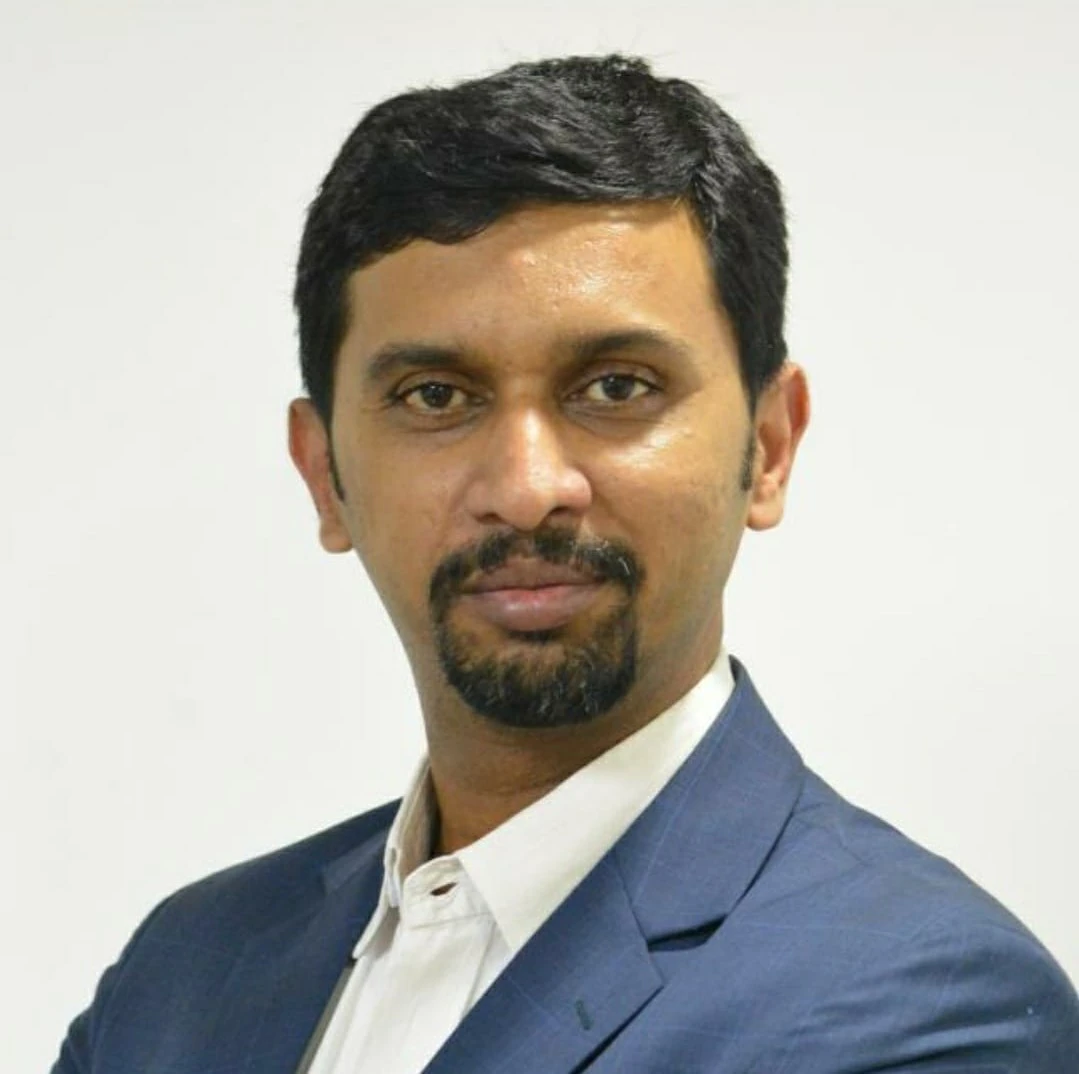
Why Choose Dr. Chethan Nagaraj for Shoulder Replacement Surgery in Bangalore
Selecting the right shoulder surgeon in Bangalore means looking beyond convenience to experience, technique, and how clearly they communicate your treatment plan. Dr. Chethan Nagaraj offers:
- 15+ years of dedicated orthopedic and joint replacement experience
- MBBS from Mysore Medical College and a Masters in Orthopaedics from Madras Medical College, Chennai
- Clinical experience at AIIMS and the Jai Prakash Narayan Apex Trauma Center, New Delhi
- International fellowship training from Australia, New Zealand, and Japan
- Expertise across the full spectrum of joint replacement, including shoulder, hip, and knee procedures, plus arthroscopy for rotator cuff and shoulder injuries
- A patient-first communication style — patients consistently mention how clearly he explains the surgery, recovery expectations, and what to watch for at each stage, which helps reduce pre-surgery anxiety
If you’re researching the best shoulder surgeon in Bangalore, it’s worth booking a consultation to discuss your specific shoulder condition, imaging findings, and which type of replacement — total, reverse, or partial — best fits your needs.
Non-Surgical Treatment: Is It an Option?
Shoulder replacement isn’t always the first step. Depending on the severity of your condition, your surgeon may first recommend:
- Physiotherapy to strengthen the rotator cuff and surrounding muscles
- Anti-inflammatory medication to manage pain and swelling
- Corticosteroid injections for temporary relief in moderate arthritis
- Activity modification to reduce strain on the joint
These measures can meaningfully delay or, in milder cases, avoid the need for surgery altogether. However, once shoulder arthritis reaches an advanced, bone-on-bone stage, or when a rotator cuff tear is combined with significant joint damage, surgery typically offers the most reliable long-term relief. This decision should always be made with your orthopedic surgeon after a thorough clinical examination and imaging review.
Risks and Complications to Be Aware Of
Shoulder replacement surgery is generally safe and highly effective, but like any surgical procedure, it carries some risk. Being informed helps you recognise warning signs early and ask the right questions during consultation:
- Implant loosening over time — more common in younger, more active patients and typically monitored through periodic follow-up
- Stiffness — usually minimised through consistent, early physiotherapy
- Infection — uncommon, but proper wound care and following post-op instructions closely reduces risk
- Nerve or blood vessel injury — rare, and minimised by an experienced surgical team familiar with shoulder anatomy
- Dislocation — more relevant with reverse shoulder replacement in certain patients, managed through careful surgical technique and activity guidance during recovery
Choosing an experienced shoulder replacement surgeon in Bangalore and following your physiotherapy protocol closely significantly reduces the likelihood of these complications.
Frequently Asked Questions
- How painful is shoulder replacement surgery?
Pain is well-managed with medication and, often, a regional nerve block immediately after surgery. Most patients report manageable discomfort that improves steadily over the first couple of weeks. - How long is the hospital stay for shoulder replacement?
Most patients stay in the hospital for around two to four days, depending on their recovery progress and the hospital’s protocol. - When can I use my arm normally after shoulder replacement? Light use for daily activities typically resumes within a few weeks, with a sling used initially for support. Full strength and range of motion continue improving over three to six months.
- What’s the difference between total and reverse shoulder replacement?
Total shoulder replacement mimics the natural ball-and-socket anatomy and works best with an intact rotator cuff. Reverse shoulder replacement reverses this mechanics and is preferred when the rotator cuff is torn or severely damaged alongside arthritis. - Does insurance cover shoulder replacement surgery in Bangalore?
Most standard health insurance policies in India cover shoulder replacement surgery, subject to policy terms. It’s advisable to confirm cashless approval and coverage limits with your insurer before the procedure. - How long do shoulder replacement implants last?
Modern shoulder implants typically last 15–20 years or longer, depending on activity level, implant type, and how well post-surgical guidelines are followed. - Can shoulder arthritis be treated without surgery?
In earlier stages, yes — physiotherapy, medication, and injections can manage symptoms effectively. Surgery becomes the more reliable option once arthritis reaches an advanced stage or significantly limits daily function.
Book Your Shoulder Replacement Consultation in Bangalore
If persistent shoulder pain is limiting your daily life, Dr. Chethan Nagaraj at Orthocare offers expert consultation and shoulder replacement surgery across the Rajajinagar and Jayanagar/Bannerghatta areas of Bangalore.
Explore related services:
- Shoulder Replacement Surgery
- Shoulder Arthroscopy
- Rotator Cuff Injury
- Joint Replacement
- About Dr. Chethan Nagaraj
- Contact Us / Book an Appointment
Don’t let shoulder pain keep you from the activities you enjoy. With the right diagnosis, an experienced surgeon, and a committed recovery plan, restoring full, pain-free shoulder movement is well within reach.
This article is for informational purposes only and does not substitute professional medical advice. Please consult Dr. Chethan Nagaraj or a qualified orthopedic surgeon for diagnosis and treatment tailored to your condition.