Rotator Cuff Injury Treatment in Bangalore: Complete Guide to Cost, Recovery, and Choosing the Right Surgeon
Reaching overhead and feeling a sharp catch of pain in your shoulder? Struggling to sleep on one side because of a deep ache that won’t ease up? You might be dealing with a rotator cuff injury — one of the most common causes of shoulder pain in adults, and one that often gets dismissed as “just a strain” until it worsens.
The rotator cuff is a group of muscles and tendons that keeps your shoulder stable through nearly every arm movement you make, from lifting a bag to throwing a ball. When it’s injured, ignoring it rarely makes it better. This guide covers everything you need to know about rotator cuff injury treatment in Bangalore — what causes it, how it’s diagnosed, treatment options, cost, recovery, and how to choose the right shoulder specialist for your case.
What Is a Rotator Cuff Injury?
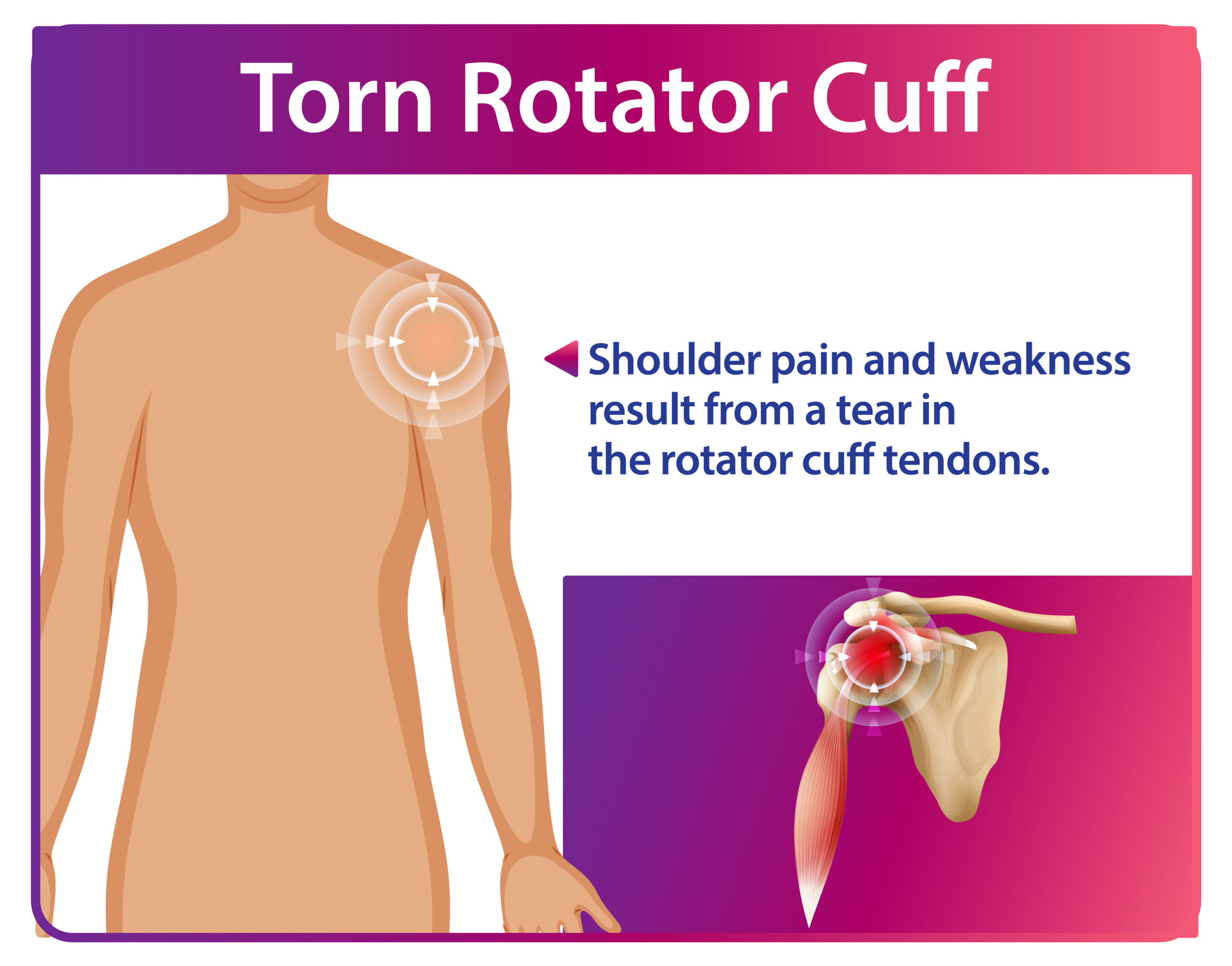
The rotator cuff is made up of four muscles and their tendons — supraspinatus, infraspinatus, teres minor, and subscapularis — that surround the shoulder joint and hold the ball of the humerus securely in the socket while allowing a wide range of motion.
Rotator cuff injuries generally fall into a few categories:
- Tendinitis — inflammation of the rotator cuff tendons, often from repetitive overhead movement or overuse
- Partial tear — the tendon is damaged but not completely severed
- Full-thickness tear — the tendon is torn all the way through, which may require surgical repair depending on size and symptoms
- Impingement syndrome — the rotator cuff tendons get pinched between the bones of the shoulder during movement, causing pain and, over time, tendon damage
Injuries can happen suddenly — from a fall, a heavy lift, or a sports injury — or develop gradually from years of repetitive strain, especially in people whose work or sport involves frequent overhead movement.
Signs You May Have a Rotator Cuff Injury
If you’re wondering whether your shoulder pain is rotator cuff-related, these are the classic signs orthopedic surgeons in Bangalore look for:
- Dull, aching pain deep in the shoulder, often worse at night
- Pain when lifting or reaching overhead, or behind your back
- Weakness when trying to lift the arm or rotate the shoulder
- A crackling or popping sensation with certain shoulder movements
- Difficulty performing everyday tasks like combing hair, reaching for a seatbelt, or getting dressed
- Pain that persists despite rest and over-the-counter pain relief
If shoulder pain lingers for more than a couple of weeks, especially alongside weakness or night pain, it’s worth getting an orthopedic evaluation rather than pushing through it, since untreated rotator cuff tears tend to enlarge over time.
How Rotator Cuff Injury Is Diagnosed and Treated
Diagnosis typically starts with a clinical examination — testing shoulder strength, range of motion, and specific movements that stress the rotator cuff — followed by imaging to confirm the extent of the injury.
Diagnosis
- Physical examination — specific strength and provocative tests to localise which tendon is affected
- X-ray — rules out bone-related causes and checks joint alignment
- MRI or ultrasound — confirms whether the injury is tendinitis, a partial tear, or a full-thickness tear, and shows its exact size and location
Non-Surgical Treatment
Many rotator cuff injuries, especially tendinitis and smaller partial tears, respond well to non-surgical care:
- Physiotherapy focused on strengthening the rotator cuff and surrounding shoulder muscles
- Anti-inflammatory medication to manage pain and swelling
- Activity modification to avoid aggravating movements
- Corticosteroid injections for targeted, short-term pain relief in select cases
Rotator Cuff Repair Surgery
When conservative treatment doesn’t relieve symptoms, or for larger and full-thickness tears — especially in active individuals — arthroscopic rotator cuff repair is typically recommended. The procedure involves:
- Anaesthesia — general or regional, often combined with a nerve block for post-op pain control
- Small incisions — the arthroscope and instruments are inserted through a few small portals around the shoulder
- Tendon reattachment — the torn tendon is reattached to the bone using specialised anchors
- Closure and early rehabilitation — a sling protects the repair initially, with physiotherapy introduced gradually
Dr. Chethan Nagaraj at Orthocare has extensive experience in arthroscopic shoulder procedures, applying the same precision techniques used across his broader joint replacement and arthroscopy practice to rotator cuff repair.
Rotator Cuff Repair Cost in Bangalore
Cost for rotator cuff treatment in Bangalore varies significantly depending on whether surgery is needed and the extent of the tear:
|
Category |
Typical Range |
|
Non-surgical treatment (physiotherapy, injections) |
Considerably lower cost, spread across multiple sessions |
|
Arthroscopic rotator cuff repair |
Varies by tear size, number of anchors used, and hospital category |
|
Hospital category and room type |
General ward vs. private room affects overall package |
|
Length of hospital stay |
Often a day-care or short overnight procedure |
|
Post-operative physiotherapy |
Frequently required for several weeks to months |
|
Pre-surgical diagnostics (MRI, ultrasound, blood work) |
Usually billed during the consultation and workup phase |
Because treatment ranges from simple physiotherapy to complex surgical repair depending on tear severity, it’s best to get a personalised cost estimate during your consultation once your surgeon has reviewed your imaging. Most standard health insurance policies in India cover rotator cuff repair surgery — confirming pre-authorization with your insurer beforehand is recommended.
Rotator Cuff Injury Recovery Timeline
Recovery depends heavily on whether treatment was surgical or non-surgical.
Non-Surgical Recovery:
- Week 1–2: Pain and inflammation management, activity modification
- Week 3–6: Progressive physiotherapy to rebuild strength and mobility
- Week 6–12: Gradual return to normal activity, guided by symptom improvement
Post-Surgical Recovery (Arthroscopic Repair):
- Week 1–4: Shoulder immobilised in a sling, passive range-of-motion exercises only, to protect the healing repair
- Week 4–8: Active-assisted movement begins under physiotherapy guidance
- Month 2–4: Strengthening exercises introduced progressively
- Month 4–6: Return to most daily activities and light sport
- Month 6 onward: Return to demanding activities or overhead sports, based on strength testing and surgeon clearance
Because repaired tendons need time to biologically heal to the bone, rushing rehabilitation is one of the most common causes of repair failure — sticking closely to your surgeon’s protocol is essential for a lasting outcome.
Why Location Matters When Choosing a Rotator Cuff Specialist in Bangalore
Rotator cuff treatment — whether surgical or non-surgical — usually involves multiple physiotherapy sessions over weeks or months. Choosing a specialist and clinic close to home makes a real difference in how consistently you can attend these sessions, which directly affects your recovery outcome.
Orthocare offers rotator cuff injury consultation and treatment across two convenient Bangalore locations, serving patients in Rajajinagar, Jayanagar, Bannerghatta, and surrounding areas:
- Orthocare Center, Rajajinagar — 241/24, 53rd Cross, 10th Main, Rajajinagar 4th Block, Opposite Ram Mandir, Bangalore 560010
- Sagar Hospital, Jayanagar/Tilaknagar/Bannerghatta — #44/55, 30th Cross, Bannerghatta approach road, Jayanagar 4th T Block, Tilaknagar, Bangalore 560041
Patients searching for a rotator cuff specialist in Rajajinagar or rotator cuff surgery near Jayanagar and Bannerghatta can access consultation, treatment, and follow-up physiotherapy without long commutes across Bangalore.
Why Choose Dr. Chethan Nagaraj for Rotator Cuff Injury Treatment in Bangalore
Choosing the right rotator cuff surgeon in Bangalore means finding someone who accurately distinguishes between tendinitis, partial tears, and full-thickness tears — and recommends the right treatment path rather than defaulting to surgery. Dr. Chethan Nagaraj offers:
- 15+ years of dedicated orthopedic and arthroscopic surgery experience
- MBBS from Mysore Medical College and a Masters in Orthopaedics from Madras Medical College, Chennai
- Clinical experience at AIIMS and the Jai Prakash Narayan Apex Trauma Center, New Delhi
- International fellowship training from Australia, New Zealand, and Japan
- Expertise across shoulder arthroscopy, rotator cuff repair, and shoulder replacement, allowing him to tailor treatment to the specific injury pattern
- A patient-first communication style — patients consistently mention how clearly he explains the diagnosis, treatment options, and recovery expectations, which meaningfully reduces uncertainty and anxiety
If you’re researching the best rotator cuff surgeon in Bangalore, it’s worth booking a consultation to discuss your MRI findings, symptom severity, and whether physiotherapy or surgical repair best fits your case.
Risks and Complications to Be Aware Of
Rotator cuff repair surgery is generally safe and effective, but like any procedure, it carries some risk worth understanding:
- Re-tear — most often linked to returning to full activity before the repair has biologically healed to the bone
- Stiffness — usually minimised with consistent, guided physiotherapy following the prescribed protocol
- Infection — uncommon, but proper wound care reduces risk further
- Persistent weakness — can occur with larger or long-standing tears, sometimes requiring extended rehabilitation
- Nerve irritation — rare, and minimised by an experienced surgical team familiar with shoulder anatomy
Choosing an experienced rotator cuff surgeon in Bangalore and following your physiotherapy protocol closely significantly reduces the likelihood of these complications.
Frequently Asked Questions
- Is rotator cuff surgery painful?
Pain is well-managed with medication and, often, a regional nerve block immediately after surgery. Most patients report manageable discomfort that improves steadily over the first couple of weeks. - How long is the hospital stay for rotator cuff repair?
Most rotator cuff repairs in Bangalore are performed as a day-care or short overnight procedure, with patients typically discharged within a day. - Can a rotator cuff tear heal without surgery?
Smaller partial tears and tendinitis often respond well to physiotherapy, activity modification, and anti-inflammatory treatment. Larger or full-thickness tears, especially in active individuals, generally heal better with surgical repair. - How long does it take to recover from rotator cuff surgery? Most patients need four to six months for a substantial recovery, with full return to demanding overhead activity or sport often taking up to six months or longer, based on strength testing rather than time alone.
- Does insurance cover rotator cuff repair surgery in Bangalore? Most standard health insurance policies in India cover rotator cuff repair surgery, subject to policy terms. It’s advisable to confirm cashless approval and coverage limits with your insurer before the procedure.
- What happens if a rotator cuff tear is left untreated?
Untreated tears tend to enlarge over time, leading to increasing weakness, pain, and in some cases, more complex surgical repair or reduced shoulder function down the line. - Can I still exercise with a rotator cuff injury?
Certain modified exercises, guided by a physiotherapist, can help strengthen the shoulder without aggravating the injury. It’s best to avoid overhead lifting or high-strain movements until you’ve been properly evaluated.
Book Your Rotator Cuff Consultation in Bangalore
If shoulder pain, weakness, or night-time discomfort is affecting your daily life, Dr. Chethan Nagaraj at Orthocare offers expert consultation and rotator cuff injury treatment across the Rajajinagar and Jayanagar/Bannerghatta areas of Bangalore.
Explore related services:
- Rotator Cuff Injury
- Shoulder Arthroscopy
- Shoulder Replacement Surgery
- Sports Injuries
- About Dr. Chethan Nagaraj
- Contact Us / Book an Appointment
Don’t let a rotator cuff injury limit your shoulder movement longer than necessary. With an accurate diagnosis, the right treatment plan, and a committed recovery process, restoring pain-free shoulder function is well within reach.
This article is for informational purposes only and does not substitute professional medical advice. Please consult Dr. Chethan Nagaraj or a qualified orthopedic surgeon for diagnosis and treatment tailored to your condition.