Newer Techniques in ACL Surgery – Expert Insights from Orthocare Bangalore
Anterior Cruciate Ligament (ACL) injuries are among the most common sports-related injuries, especially in physically active individuals and athletes. Whether caused by sudden twisting, an abrupt fall, or an impact during sports, an ACL tear often leads to knee instability, pain, swelling, and difficulty returning to normal activities. As demand for faster recovery and improved surgical precision rises, modern orthopaedic practices now use advanced technologies to improve outcomes. For individuals seeking reliable treatment, consulting an experienced ACL Reconstruction Surgery Doctor in Bangalore ensures proper guidance, accurate diagnosis, and the most updated surgical solutions.
This blog explores the latest innovations in ACL surgery, their benefits, recovery expectations, and why Orthocare Bangalore is among the preferred centers for sports knee injury treatment. To learn more about advanced orthopaedic care, you can explore educational resources available on orthocarebangalore.com, which provides detailed information about knee, shoulder, and trauma treatments.
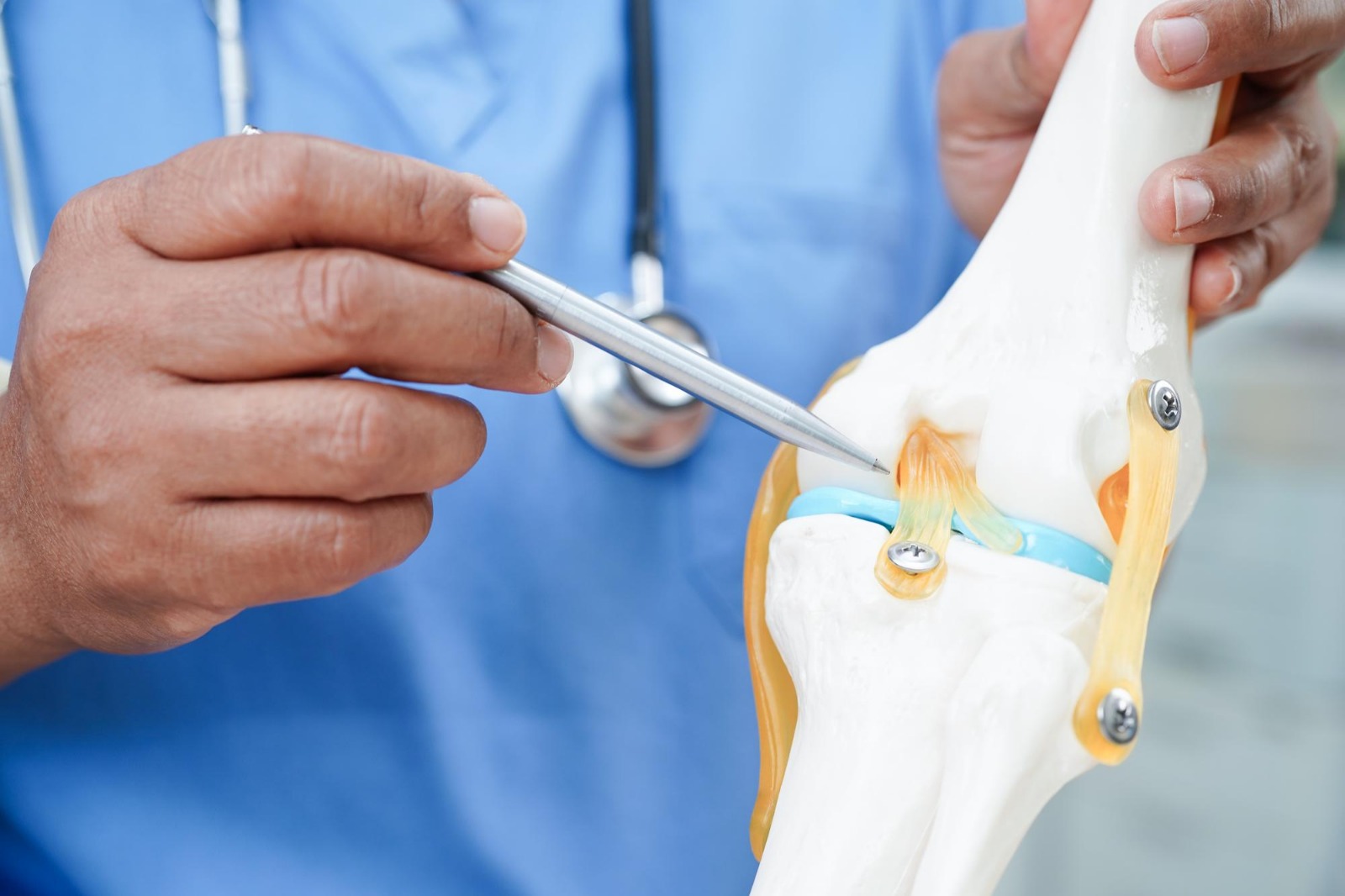
Understanding the ACL and Why it Matters
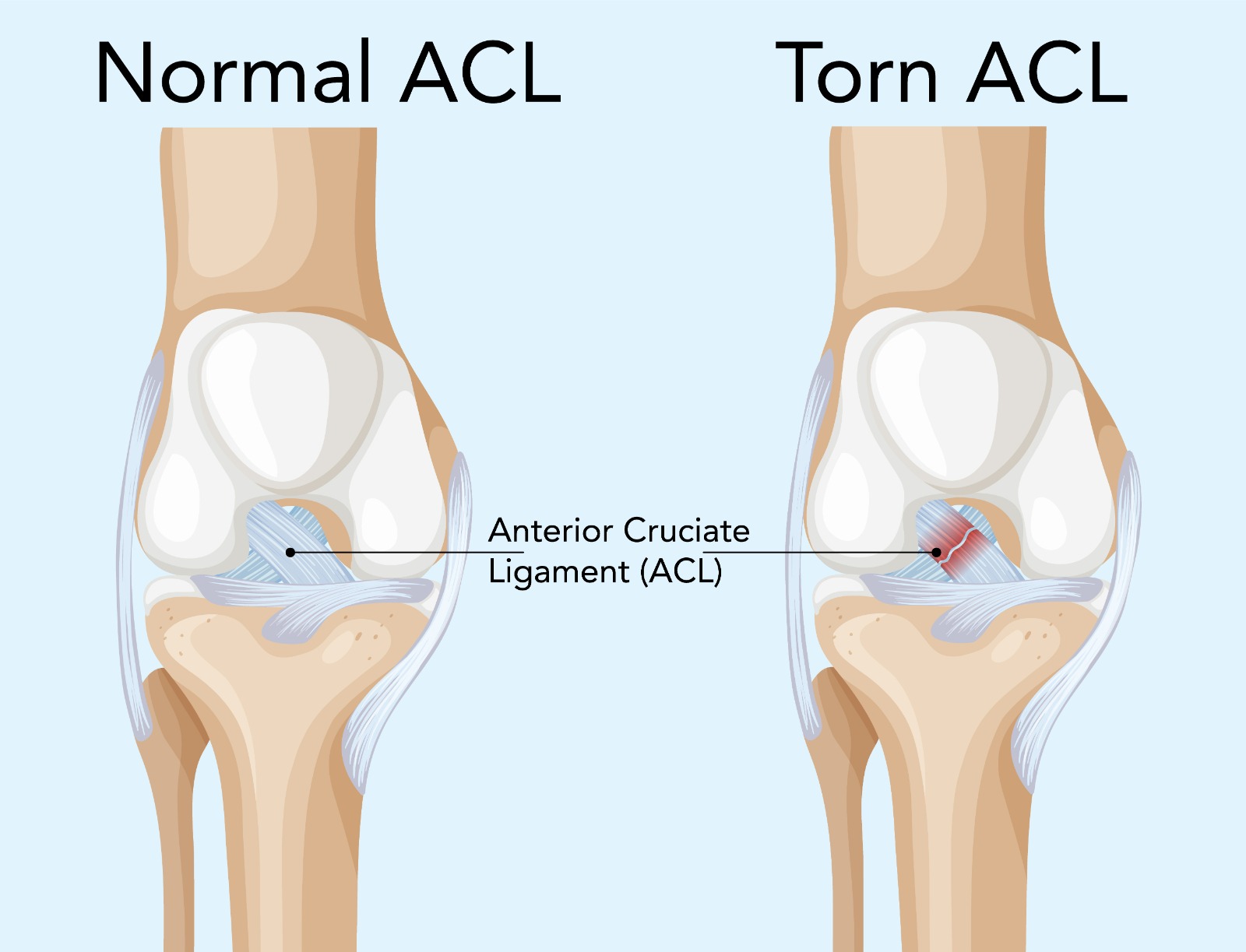
The ACL is one of the primary stabilizing ligaments of the knee. It prevents excessive forward movement of the tibia and controls rotational stability. When the ACL is torn, patients often describe a popping sound, immediate swelling, and difficulty in weight-bearing.
Without proper treatment, the knee can become unstable, leading to repeated buckling episodes and long-term cartilage damage. An experienced ACL Reconstruction Surgery Doctor in Bangalore helps diagnose the severity using physical tests, MRI scans, and functional assessments before recommending surgical or non-surgical options.
Why ACL Reconstruction Surgery Is Needed
Surgery becomes necessary under these conditions:
1. Complete ACL Tear
A full-thickness tear does not heal naturally, especially in active individuals.
2. Knee Instability
Frequent giving-way feeling during walking, running, or climbing stairs indicates structural weakness.
3. Associated Injuries
Meniscus tears, cartilage lesions, or collateral ligament injuries often accompany ACL tears and may require combined treatment.
4. Return to Sports
Athletes or fitness enthusiasts typically require surgery to regain performance-level stability.
5. Failure of Conservative Treatment
If physiotherapy and rest do not improve stability, reconstruction becomes necessary.
With modern advancements, ACL reconstruction has become more accurate, predictable, and patient-friendly.
Newer Techniques in ACL Surgery – What’s Changing?
ACL surgery has undergone major improvements in the last decade. These new techniques enhance ligament strength, improve graft healing, reduce pain, and offer faster recovery.
Below are the most advanced and widely adopted innovations used by leading surgeons and centers like Orthocare Bangalore.
1. Anatomic ACL Reconstruction
Traditional ACL reconstruction focused mainly on stabilizing the knee but did not always recreate the natural ligament position. Newer anatomic reconstruction techniques aim to:
Why ACL Reconstruction Surgery Is Needed
Surgery becomes necessary under these conditions:
1. Complete ACL Tear
A full-thickness tear does not heal naturally, especially in active individuals.
2. Knee Instability
Frequent giving-way feeling during walking, running, or climbing stairs indicates structural weakness.
3. Associated Injuries
Meniscus tears, cartilage lesions, or collateral ligament injuries often accompany ACL tears and may require combined treatment.
4. Return to Sports
Athletes or fitness enthusiasts typically require surgery to regain performance-level stability.
5. Failure of Conservative Treatment
If physiotherapy and rest do not improve stability, reconstruction becomes necessary.
With modern advancements, ACL reconstruction has become more accurate, predictable, and patient-friendly.
Newer Techniques in ACL Surgery – What’s Changing?
ACL surgery has undergone major improvements in the last decade. These new techniques enhance ligament strength, improve graft healing, reduce pain, and offer faster recovery.
Below are the most advanced and widely adopted innovations used by leading surgeons and centers like Orthocare Bangalore.
1. Anatomic ACL Reconstruction
Traditional ACL reconstruction focused mainly on stabilizing the knee but did not always recreate the natural ligament position. Newer anatomic reconstruction techniques aim to:
. Rebuild the ACL in its original footprint
Improve rotational control
Provide better knee biomechanics
Reduce long-term arthritis risk
This is now considered the gold standard among modern ACL procedures.
2. Double-Bundle ACL Reconstruction
Unlike the older single-bundle method, this technique reconstructs both functional bundles of the ACL:
Anteromedial bundle (controls forward movement)
Posterolateral bundle (controls rotational stability)
Advantages:
Superior rotational stability
Better mimic of natural knee function
Reduced risk of re-tear in young athletes
Not all patients require this method, but the ideal candidates benefit greatly.
3. All-Inside ACL Reconstruction Technique
A modern minimally invasive approach that uses smaller incisions and socket-based tunnels instead of full tunnels.
Benefits include:
Less bone removal
Lower post-op pain
Reduced swelling
Faster early recovery
This technique is especially helpful for individuals wanting early return to desk jobs or academics.
4. Internal Brace Augmentation
Internal bracing uses a strong synthetic fiber tape alongside the reconstructed ACL graft. It acts like a supportive internal splint.
Why it’s useful:
Provides additional strength during early healing
Reduces chances of graft re-tear
Enables quicker rehabilitation
Suitable for high-demand athletes
This is becoming popular across sports medicine centers worldwide.
5. Quadriceps Tendon Graft Technique
Traditionally, ACL grafts were harvested from the hamstring or patellar tendon. However, quadriceps tendon grafts are now widely used due to:
Larger graft size
Lower donor site pain
Better long-term strength
Excellent healing capacity
Surgeons often recommend this graft for young, active individuals or revision ACL surgeries.
6. ACL Repair with Biological Augmentation (For Select Cases)
Some partial ACL tears or avulsions can be repaired instead of reconstructed. Modern biological enhancements help reinforce healing, including:
PRP (Platelet-Rich Plasma)
Stem-cell derived growth factors
Collagen scaffolds
These techniques accelerate recovery and may preserve natural ligament fibers when feasible.
7. Computer-Assisted & Navigation-Guided ACL Surgery
Digital navigation tools allow surgeons to view real-time 3D mapping of the knee during surgery.
Results:
Improved tunnel placement accuracy
Reduced technical errors
Enhanced graft durability
A trained ACL Reconstruction Surgery Doctor in Bangalore who uses guided techniques achieves superior consistency in results.
8. Robotic-Assisted ACL Reconstruction
In high-end centers, robotic systems offer advanced precision by:
Planning graft position
Executing highly accurate cuts
Minimizing human error
This emerging technology is transforming the future of sports knee surgeries.
9. Improved Fixation Devices
Modern implants such as:
bio-composite screws
suspensory fixation devices
adjustable loop buttonsprovide stronger fixation and faster biological integration.
10. Enhanced Prehabilitation & Accelerated Rehab Protocols
Modern ACL surgery success is not only about surgical technique but also about:
pre-surgery strengthening
early motion exercises
sport-specific rehabilitation
With guided physiotherapy, many patients resume jogging by 3–4 months and return to sports by 8–12 months.
Rebuild the ACL in its original footprint
Improve rotational control
Provide better knee biomechanics
Reduce long-term arthritis risk
This is now considered the gold standard among modern ACL procedures.
2. Double-Bundle ACL Reconstruction
Unlike the older single-bundle method, this technique reconstructs both functional bundles of the ACL:
Anteromedial bundle (controls forward movement)
Posterolateral bundle (controls rotational stability)
Advantages:
Superior rotational stability
Better mimic of natural knee function
Reduced risk of re-tear in young athletes
Not all patients require this method, but the ideal candidates benefit greatly.
3. All-Inside ACL Reconstruction Technique
A modern minimally invasive approach that uses smaller incisions and socket-based tunnels instead of full tunnels.
Benefits include:
Less bone removal
Lower post-op pain
Reduced swelling
Faster early recovery
This technique is especially helpful for individuals wanting early return to desk jobs or academics.
4. Internal Brace Augmentation
Internal bracing uses a strong synthetic fiber tape alongside the reconstructed ACL graft. It acts like a supportive internal splint.
Why it’s useful:
Provides additional strength during early healing
Reduces chances of graft re-tear
Enables quicker rehabilitation
Suitable for high-demand athletes
This is becoming popular across sports medicine centers worldwide.
5. Quadriceps Tendon Graft Technique
Traditionally, ACL grafts were harvested from the hamstring or patellar tendon. However, quadriceps tendon grafts are now widely used due to:
Larger graft size
Lower donor site pain
Better long-term strength
Excellent healing capacity
Surgeons often recommend this graft for young, active individuals or revision ACL surgeries.
6. ACL Repair with Biological Augmentation (For Select Cases)
Some partial ACL tears or avulsions can be repaired instead of reconstructed. Modern biological enhancements help reinforce healing, including:
PRP (Platelet-Rich Plasma)
Stem-cell derived growth factors
Collagen scaffolds
These techniques accelerate recovery and may preserve natural ligament fibers when feasible.
7. Computer-Assisted & Navigation-Guided ACL Surgery
Digital navigation tools allow surgeons to view real-time 3D mapping of the knee during surgery.
Results:
Improved tunnel placement accuracy
Reduced technical errors
Enhanced graft durability
A trained ACL Reconstruction Surgery Doctor in Bangalore who uses guided techniques achieves superior consistency in results.
8. Robotic-Assisted ACL Reconstruction
In high-end centers, robotic systems offer advanced precision by:
Planning graft position
Executing highly accurate cuts
Minimizing human error
This emerging technology is transforming the future of sports knee surgeries.
9. Improved Fixation Devices
Modern implants such as:
bio-composite screws
suspensory fixation devices
adjustable loop buttons
provide stronger fixation and faster biological integration.
10. Enhanced Prehabilitation & Accelerated Rehab Protocols
Modern ACL surgery success is not only about surgical technique but also about:
pre-surgery strengthening
early motion exercises
sport-specific rehabilitation
With guided physiotherapy, many patients resume jogging by 3–4 months and return to sports by 8–12 months.
-
Benefits of Newer ACL Surgery Techniques
✔ Faster recovery
✔ Lower postoperative pain
✔ Improved knee stability
✔ Better rotational control
✔ Lower risk of graft failure
✔ More natural knee movement
✔ Suitable for active individuals & athletes
To gain more insights into ACL and sports-injury care, you can read more at orthocarebangalore.com, which provides detailed case studies and patient education resources.
Choosing the Right Surgeon Matters
ACL surgery outcomes depend heavily on the surgeon’s:
experience
choice of technique
precision in tunnel placement
use of modern graft options
understanding of sports biomechanics
This is why consulting an expert ACL Reconstruction Surgery Doctor in Bangalore is essential. A skilled specialist ensures proper diagnosis, uses advanced surgical techniques, and provides a structured rehabilitation plan for long-term joint stability.
Recovery After Modern ACL Surgery
Recovery depends on technique, graft type, and patient dedication. Here’s a general timeline:
Weeks 1–3
Pain control
Swelling reduction
Full knee extension exercises
Weeks 4–8
Strengthening quadriceps & hamstrings
Regaining full flexion
3–4 Months
Jogging & controlled agility training
6 Months
Sport-specific drills
8–12 Months
Full return to sports
Patients who follow rehabilitation diligently often achieve outstanding long-term stability.
Frequently Asked Questions (FAQs)
1. Do all ACL tears need surgery?
No. Partial tears or low-demand patients may recover with physiotherapy. Full tears with instability usually need reconstruction.
2. Which graft is best for ACL reconstruction?
Hamstring, patellar tendon, and quadriceps tendon are commonly used. Choice depends on patient activity, knee structure, and surgeon preference.
3. How long does ACL surgery take?
Most ACL surgeries take 60–90 minutes, depending on associated injuries like meniscus tears.
4. Is modern ACL reconstruction safer?
Yes. With new techniques, graft strength, accuracy, and recovery timelines have significantly improved.
5. When can I walk normally after ACL surgery?
Most patients walk with support within 1–2 weeks and progress to normal walking by 4–6 weeks.
Conclusion
ACL treatment has evolved dramatically, offering patients more precise and effective options than ever before. With innovations such as anatomic reconstruction, internal bracing, biological augmentation, and minimally invasive techniques, recovery is faster and outcomes are more predictable. Choosing a skilled ACL Reconstruction Surgery Doctor in Bangalore ensures advanced care, accurate diagnosis, and personalized rehabilitation support. Patients seeking comprehensive knee-injury management and modern surgical options can explore services through orthocarebangalore.com to understand available treatment paths and consultation details.