Can You Sit Cross-Legged Post Partial Knee Replacement? A Step-by-Step Recovery Guide
Partial knee replacement (PKR), also known as unicompartmental knee arthroplasty (UKA), is a minimally invasive surgery that helps individuals suffering from knee arthritis or injury regain mobility and reduce pain. After undergoing such surgery, one of the common questions that patients ask is whether they can return to their normal activities — specifically, whether they can sit cross-legged, a posture that is important in many cultures and daily routines.
In this blog, we will delve into the details of partial knee replacement surgery, the recovery process, and answer the question: Can a patient sit cross-legged after partial knee replacement surgery?
What is Partial Knee Replacement?
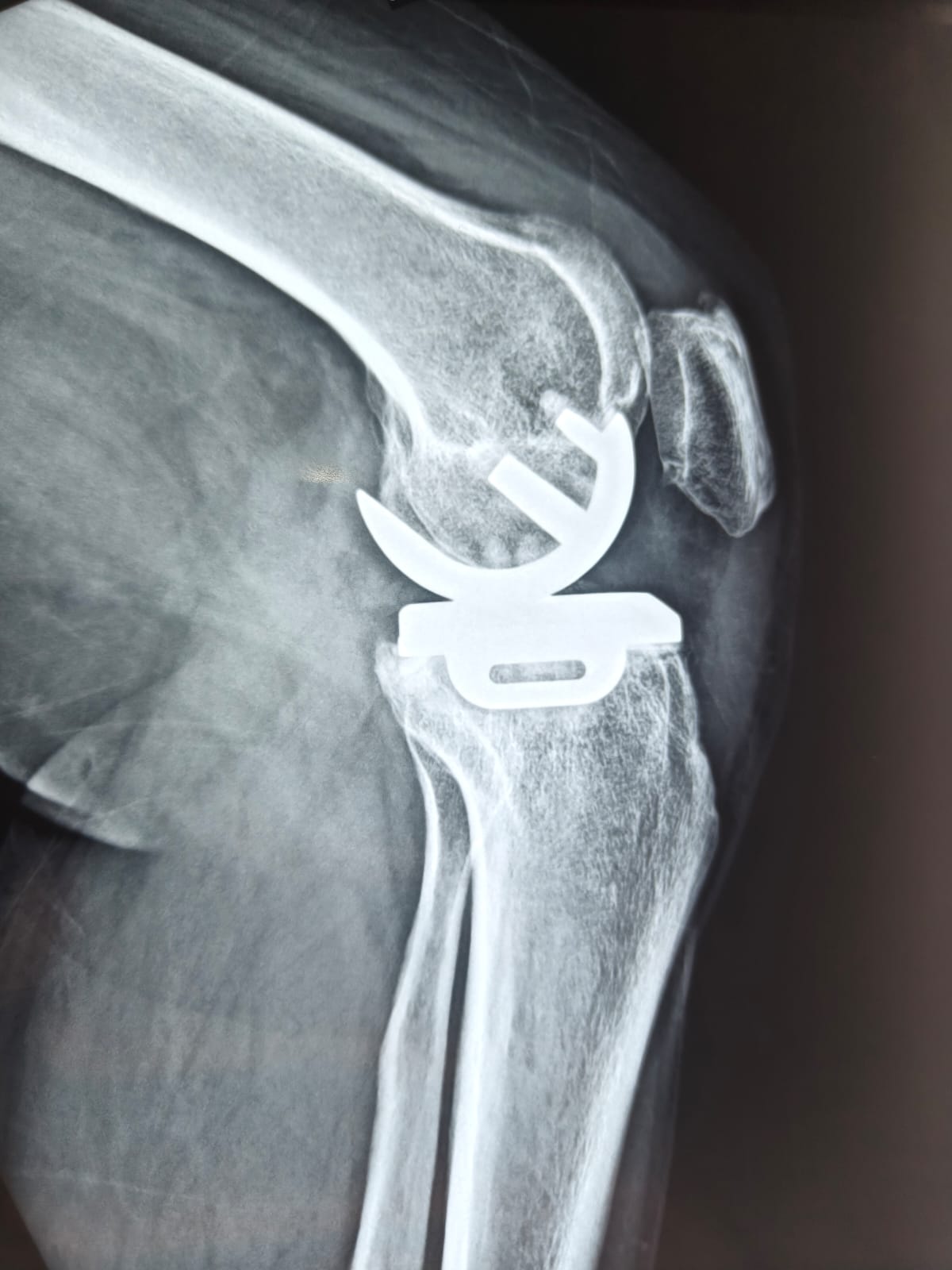
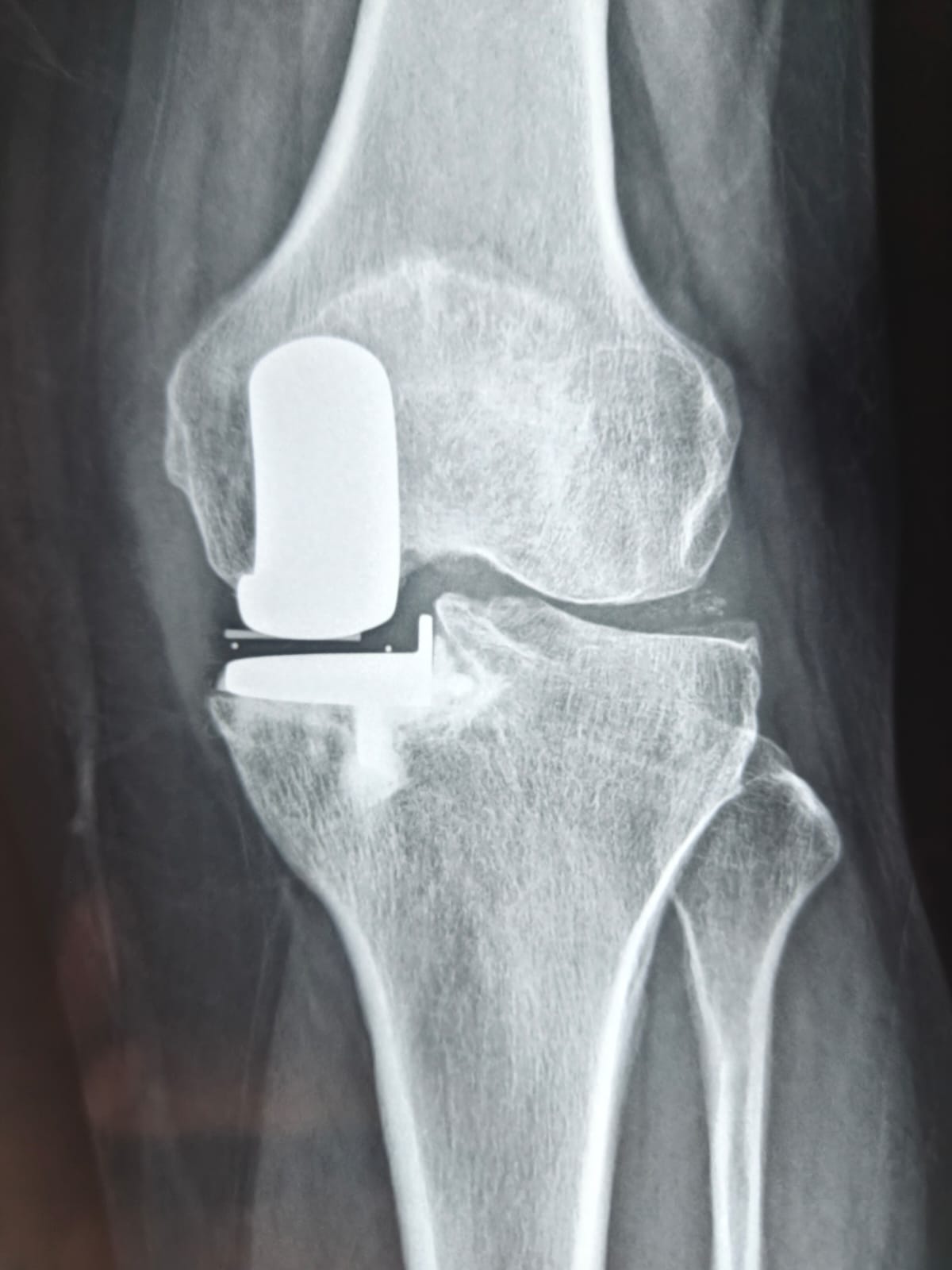
Partial knee replacement is a procedure designed to relieve pain in the knee joint due to arthritis, fractures, or other knee conditions. Unlike total knee replacement, where the entire knee joint is replaced, partial knee replacement only addresses the damaged portion of the knee. This is ideal for patients whose arthritis is confined to a single compartment of the knee, usually the medial (inner) or lateral (outer) compartment, or the patellofemoral joint (involving the kneecap).
By preserving the healthy portions of the knee, partial knee replacement offers several advantages:
- Faster recovery compared to total knee replacement
- Reduced pain after surgery
- Better function and mobility post-surgery
- Smaller incision with minimal scarring
Why Consider Partial Knee Replacement?
There are several reasons why a patient might choose partial knee replacement over total knee replacement:
- Localized damage: If arthritis or damage is isolated to just one part of the knee, partial knee replacement is a more targeted and less invasive option.
- Younger patients: For younger and more active patients, partial knee replacement can help preserve knee function and delay the need for total knee replacement.
- Quicker recovery time: Since the surgery is less invasive, patients can generally expect a quicker recovery with fewer restrictions on mobility.
- Preservation of healthy tissue: The procedure leaves more of the knee joint intact, which may help maintain more natural knee movement.
However, while partial knee replacement is an excellent choice for many patients, it’s essential to understand the recovery process and what to expect in terms of post-surgery mobility.
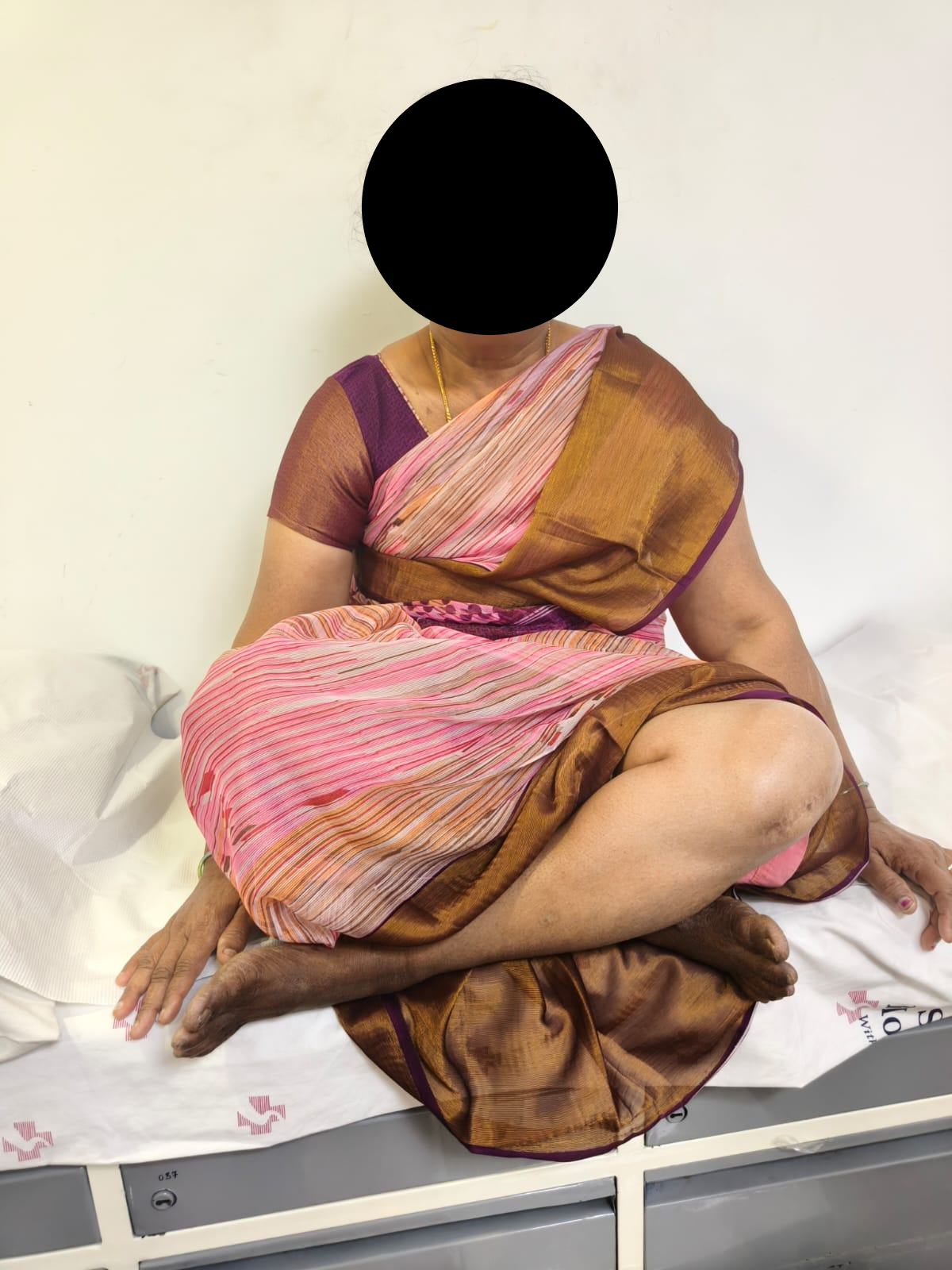
Can You Sit Cross-Legged After a Partial Knee Replacement?
The question of sitting cross-legged post-surgery is a common one for those considering partial knee replacement, particularly because this posture requires significant flexion of the knee joint. While total knee replacement often limits flexibility and mobility in the early stages of recovery, the advantage of partial knee replacement is that it preserves more natural knee movement, allowing for greater flexibility.
Early Recovery Phase (First 6 Weeks)
During the initial recovery phase, which typically lasts about 6 weeks, sitting cross-legged is not recommended. This period is crucial for the healing of the incision and the bone structures around the knee. At this stage, patients are advised to:
- Focus on rest and gentle movements to avoid putting excessive pressure on the knee.
- Use physical therapy to improve knee strength, flexibility, and range of motion (ROM).
- Avoid high-flexion positions, like sitting cross-legged, as these may strain the newly replaced joint and impede healing.
Intermediate Recovery Phase (6-12 Weeks)
By the time you enter the intermediate recovery phase, around 6 to 12 weeks after surgery, you may begin to notice increased mobility and reduced pain. Many patients can achieve:
- Improved knee flexion and strength
- Ability to perform gentle daily activities such as walking, standing, and bending the knee
- Enhanced range of motion (ROM), although full flexibility may still take time
At this point, you might be able to slowly and cautiously try sitting cross-legged, but you should:
- Consult with your doctor or physical therapist first.
- Practice gentle stretches to improve flexibility and prevent stiffness.
- Avoid holding the position for prolonged periods to avoid discomfort or strain.
Full Recovery Phase (6 Months and Beyond)
By 6 months post-surgery, many patients are able to fully participate in most of their regular activities, including sitting cross-legged. However, this depends on your individual healing progress, physical therapy adherence, and overall knee strength. At this stage, the knee joint should have sufficient flexibility to allow for:
- Cross-legged sitting without significant pain or discomfort
- Low-impact activities, such as yoga, swimming, and cycling
- Normal daily routines like walking, standing, and bending comfortably
If your knee still feels stiff or weak, it’s crucial to continue with your physical therapy and strength-building exercises. Full range of motion and flexibility are key to being able to sit cross-legged comfortably post-surgery.
Can MRI Detect Knee and Shoulder Injuries?
Without a doubt, MRI is highly adept at detecting knee and shoulder injuries with remarkable sensitivity and specificity. However sometimes the doctor needs to be careful to assess whether the tear seen on the MRI is corelating to the patient’s problem or not.
Its ability to capture detailed images of soft tissues allows for the visualization of subtle abnormalities that may go undetected by other imaging modalities.
Whether it’s a complex ligament tear or a subtle cartilage lesion, MRI excels in elucidating the intricacies of musculoskeletal pathology, facilitating accurate diagnosis and timely intervention.
Importance of Timely Diagnosis and Treatment
Timely diagnosis and treatment are paramount in the management of knee and shoulder injuries.
MRI plays a pivotal role in expediting this process by providing clinicians with actionable insights into the nature and severity of injuries.
By promptly identifying underlying pathology, MRI empowers healthcare providers to initiate appropriate treatment modalities, thereby mitigating the risk of complications and optimizing patient outcomes.
Conclusion
To sum up, sitting cross-legged after partial knee replacement surgery is achievable once the knee has fully healed and gained sufficient strength and flexibility. With proper recovery, physical therapy, and patience, you can return to your pre-surgery lifestyle and activities, including sitting cross-legged.
However, recovery timelines may vary for each patient, and it’s essential to consult with your orthopedic surgeon or physical therapist to determine when it’s safe to resume this activity. By following the prescribed rehabilitation plan and listening to your body, you can regain full knee function and enjoy the freedom of sitting comfortably in any position.
FAQs:
1. Can I sit cross-legged immediately after partial knee replacement?
No, it’s important to allow your knee to heal first. During the initial 6 weeks of recovery, it is recommended to avoid sitting cross-legged, as this position places significant stress on the knee. Gradually, as you progress through physical therapy, you may be able to return to this position.
2. How long does it take to regain full knee flexibility after partial knee replacement?
It typically takes about 6 months to regain full knee flexibility and strength. However, some patients may take longer, depending on the progress of their recovery and adherence to physical therapy.
3. What exercises help improve knee flexibility after partial knee replacement?
Key exercises to improve knee flexibility include:
- Knee flexion stretches: Bending the knee and holding the position to stretch the muscles around the joint.
- Quadriceps strengthening: Exercises like straight leg raises help strengthen the muscles in the front of the thigh.
- Hamstring stretches: Stretching the back of the leg helps maintain overall leg flexibility.
4. Can I resume sports activities after partial knee replacement?
Low-impact activities such as swimming, cycling, and walking are encouraged after surgery. High-impact sports, such as running or basketball, are typically not recommended unless fully cleared by your orthopedic surgeon.
5. What should I do if sitting cross-legged causes pain after surgery?
If sitting cross-legged causes pain, stop immediately and consult with your physical therapist or surgeon. It may indicate that the knee has not yet regained full mobility, and further physical therapy may be required.