Meniscus Surgery in Bangalore: Complete Guide to Cost, Recovery, and Choosing the Right Surgeon
Felt a sudden pop in your knee during a game, a squat, or even just twisting the wrong way while getting out of a chair? Or maybe the pain crept in slowly, with swelling and stiffness that just won’t settle. Either way, it could point to a meniscus tear — one of the most common knee injuries treated by orthopedic surgeons in Bangalore.
The meniscus plays a critical role in cushioning and stabilising the knee joint, and a tear — whether from sports, a sudden twist, or gradual wear — can significantly affect your mobility if left untreated. This guide walks you through what meniscus surgery in Bangalore involves, what it costs, how recovery unfolds, and how to choose the right surgeon for your knee.
Felt a sudden pop in your knee during a game, a squat, or even just twisting the wrong way while getting out of a chair? Or maybe the pain crept in slowly, with swelling and stiffness that just won’t settle. Either way, it could point to a meniscus tear — one of the most common knee injuries treated by orthopedic surgeons in Bangalore.
The meniscus plays a critical role in cushioning and stabilising the knee joint, and a tear — whether from sports, a sudden twist, or gradual wear — can significantly affect your mobility if left untreated. This guide walks you through what meniscus surgery in Bangalore involves, what it costs, how recovery unfolds, and how to choose the right surgeon for your knee.
Meniscus tears generally happen in one of two ways:
- Acute/traumatic tears — common in athletes and active individuals, usually from sudden twisting or pivoting movements, often during sports like football, badminton, or basketball
- Degenerative tears — more common in older adults, where the cartilage weakens and thins over time, making it prone to tearing even during routine movements like squatting or twisting to reach something
Not all meniscus tears require surgery. The location, size, and pattern of the tear — along with your age and activity level — all factor into whether your surgeon recommends surgical repair, partial removal, or a non-surgical rehabilitation approach.
Signs You May Have a Meniscus Tear
If you’re wondering whether your knee pain is meniscus-related, these are the classic signs orthopedic surgeons in Bangalore look for:
- A popping sensation at the time of injury
- Swelling that develops over the following day or two
- Pain along the joint line, especially when twisting or squatting
- A knee that feels like it’s “catching” or “locking” during movement
- A sensation of the knee giving way or feeling unstable
- Difficulty fully straightening or bending the knee
If these symptoms persist beyond a few days, or if your knee locks or gives way repeatedly, it’s worth getting an orthopedic evaluation rather than waiting it out, since a neglected meniscus tear can accelerate joint wear over time.
How Meniscus Surgery Works
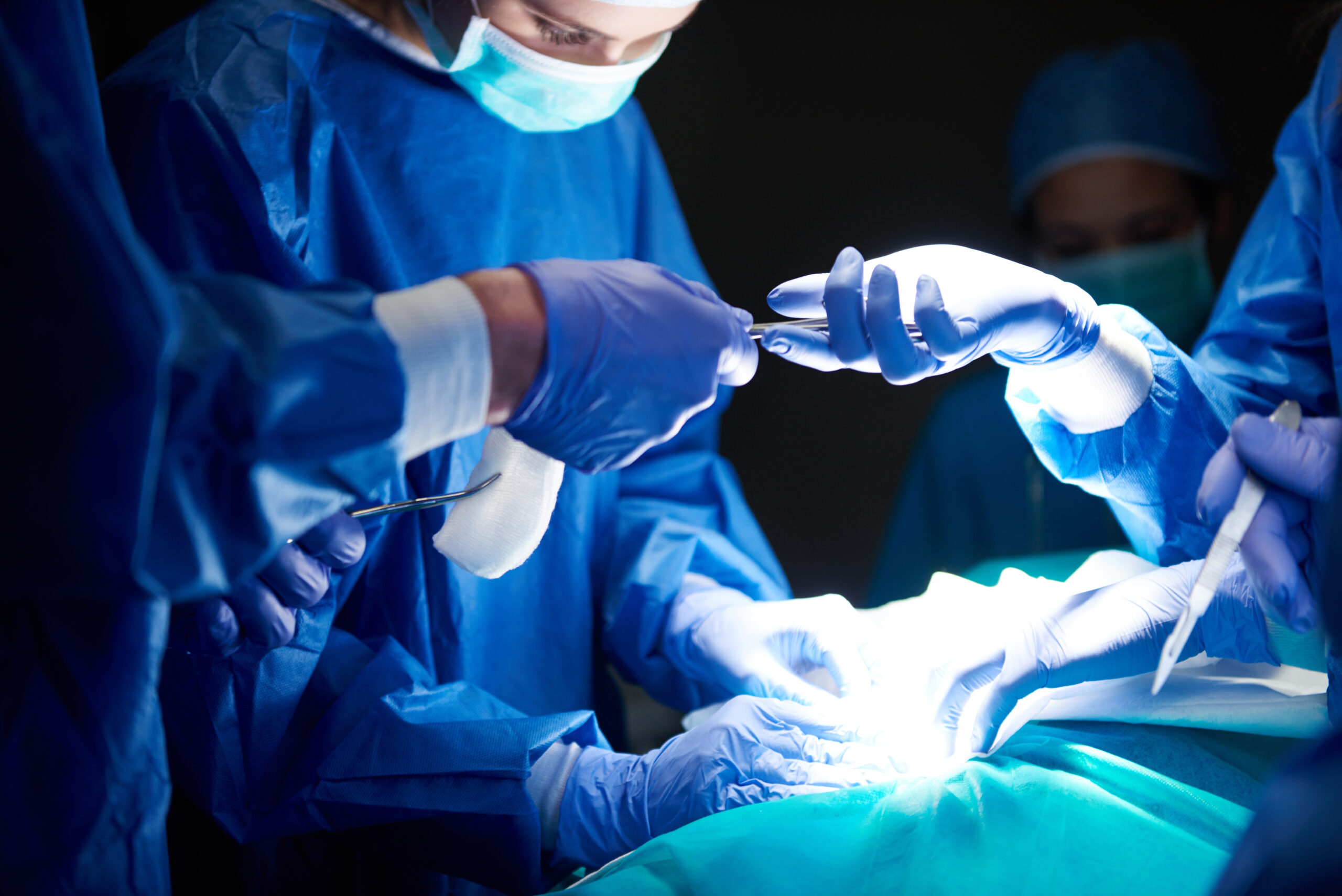
Most meniscus surgery in Bangalore today is performed arthroscopically — a minimally invasive, keyhole approach that allows for faster recovery compared to older open techniques. Here’s what the procedure generally involves:
1. Diagnosis and Imaging
An MRI scan confirms the location, size, and pattern of the tear, which helps the surgeon decide on the right surgical approach.
2. Anaesthesia and Preparation
The procedure is typically performed under general or regional anaesthesia.
3. Small Incisions
A couple of small incisions are made around the knee to insert the arthroscope (a thin camera) and surgical instruments.
4. Repair or Partial Meniscectomy
Depending on the tear:
- Meniscus repair — the torn edges are stitched back together, preserving as much of the natural meniscus as possible. This is preferred in younger patients and tears located in the well-vascularised outer region (“red zone”), which heals better.
- Partial meniscectomy — the damaged portion of the meniscus is trimmed away when repair isn’t feasible, smoothing the remaining tissue to reduce catching or locking.
5. Closure and Early Rehabilitation
Incisions are closed, and physiotherapy typically begins soon after, guided by whether you had a repair (which needs more protection) or a meniscectomy (which usually allows faster progression).
Dr. Chethan Nagaraj at Orthocare has extensive experience with arthroscopic knee procedures, applying the same precision arthroscopic techniques used in his ACL reconstruction and sports injury practice to meniscus surgery.
Meniscus Surgery Cost in Bangalore
Cost for meniscus surgery in Bangalore depends on several factors specific to your case:
|
Category |
Typical Range |
|
Type of procedure (repair vs. partial meniscectomy) |
Repairs generally cost more due to longer surgical time and specialised fixation devices |
|
Hospital category and room type |
General ward vs. private room affects the overall package |
|
Associated injuries |
Combined ACL or cartilage damage repaired at the same time increases cost |
|
Length of hospital stay |
Often a day-care or short overnight procedure |
|
Post-operative physiotherapy |
Sometimes bundled, sometimes billed separately |
|
Pre-surgical diagnostics (MRI, blood work) |
Usually billed during the consultation and workup phase |
Because meniscus repair and meniscectomy differ significantly in complexity and recovery needs, it’s best to get a personalised estimate during your consultation once your surgeon has reviewed your MRI and determined the right surgical approach. Most standard health insurance policies in India cover meniscus surgery — confirming pre-authorization with your insurer beforehand is recommended.
Meniscus Surgery Recovery Timeline
Recovery timelines differ meaningfully depending on whether you had a meniscus repair or a partial meniscectomy, so it’s worth understanding both paths.
Partial Meniscectomy (tissue trimmed, not stitched):
- Week 1–2: Weight-bearing as tolerated, swelling control, gentle range-of-motion exercises
- Week 3–4: Progressive strengthening, most patients walking without support
- Week 4–6: Return to normal daily activities and low-impact exercise
- Month 2–3: Return to sport for many patients, depending on strength and confidence
Meniscus Repair (tissue stitched together):
- Week 1–4: Limited weight-bearing, often with a brace, to protect the healing repair
- Week 4–8: Gradual increase in weight-bearing and range of motion under physiotherapy guidance
- Month 3–4: Strengthening progresses as the repair heals
- Month 4–6: Return to sport, once cleared through functional testing
Because repairs need time to biologically heal, rushing back to activity too soon is one of the most common causes of repair failure — following your surgeon’s protocol closely genuinely protects your outcome.
Why Location Matters When Choosing a Meniscus Surgeon in Bangalore
Meniscus surgery recovery — especially after a repair — involves multiple follow-up visits and physiotherapy sessions over several weeks to months. Choosing a surgeon and clinic close to home makes it considerably easier to stay consistent with your rehab schedule, which directly affects your final outcome.
Orthocare offers meniscus surgery and consultation across two convenient Bangalore locations, serving patients in Rajajinagar, Jayanagar, Bannerghatta, and surrounding areas:
- Orthocare Center, Rajajinagar — 241/24, 53rd Cross, 10th Main, Rajajinagar 4th Block, Opposite Ram Mandir, Bangalore 560010
- Sagar Hospital, Jayanagar/Tilaknagar/Bannerghatta — #44/55, 30th Cross, Bannerghatta approach road, Jayanagar 4th T Block, Tilaknagar, Bangalore 560041
Patients searching for a meniscus tear specialist in Rajajinagar or meniscus repair surgery near Jayanagar and Bannerghatta can access consultation, surgery, and follow-up physiotherapy without long commutes across the city.
Why Choose Dr. Chethan Nagaraj for Meniscus Surgery in Bangalore
Choosing the right meniscus surgeon in Bangalore comes down to experience with arthroscopic technique, sound judgment on repair versus removal, and clear communication throughout your treatment. Dr. Chethan Nagaraj offers:
- 15+ years of dedicated orthopedic and arthroscopic surgery experience
- MBBS from Mysore Medical College and a Masters in Orthopaedics from Madras Medical College, Chennai
- Clinical experience at AIIMS and the Jai Prakash Narayan Apex Trauma Center, New Delhi
- International fellowship training from Australia, New Zealand, and Japan
- Routine expertise in arthroscopic meniscus repair and meniscectomy, often performed alongside ACL reconstruction when both injuries occur together
- A patient-first communication style — patients consistently mention how clearly he explains the surgery, recovery expectations, and what to watch for at each stage, which meaningfully reduces pre-surgery anxiety
If you’re researching the best meniscus surgeon in Bangalore, it’s worth booking a consultation to discuss your MRI findings, activity goals, and whether repair or partial meniscectomy is the right path for your knee.
Non-Surgical Treatment: Is It an Option?
Not every meniscus tear needs surgery. Small, stable tears — particularly degenerative tears in older patients without mechanical symptoms like locking or catching — can often be managed with:
- Physiotherapy to strengthen the muscles supporting the knee
- Activity modification to reduce strain on the joint
- Anti-inflammatory medication for pain and swelling
- Bracing for additional support during activity
That said, tears that cause locking, persistent instability, or fail to improve with conservative treatment over several weeks typically respond better to surgical intervention. This decision should always be made jointly with your orthopedic surgeon after a thorough examination and MRI review.
Risks and Complications to Be Aware Of
Meniscus surgery is generally safe and well-tolerated, but like any procedure, it carries some risk worth understanding:
- Repair failure — most often linked to returning to full activity before the repair has biologically healed
- Stiffness — usually minimised with consistent, guided physiotherapy
- Infection — uncommon, but proper wound care reduces risk further
- Persistent swelling or pain — occasionally requires further evaluation if it doesn’t settle within the expected recovery window
- Progression to arthritis — particularly after larger meniscectomies, since the meniscus plays a protective role in the joint over the long term
Choosing an experienced meniscus surgeon in Bangalore who carefully weighs repair versus removal, and following your physiotherapy protocol closely, significantly reduces the likelihood of these complications.
Frequently Asked Questions
- Is meniscus surgery painful?
Post-surgical discomfort is generally mild to moderate and well-managed with pain medication. Most patients find it noticeably improved within the first week, especially after a partial meniscectomy. - How long is the hospital stay for meniscus surgery?
Most meniscus procedures in Bangalore are done as a day-care or short overnight stay, with patients typically discharged within a day. - Can I walk immediately after meniscus surgery?
After a partial meniscectomy, most patients can bear weight and walk with support soon after surgery. After a meniscus repair, weight-bearing is more restricted for the first several weeks to protect the healing tissue. - What’s the difference between meniscus repair and meniscectomy?
Meniscus repair stitches the torn tissue back together and preserves the meniscus, generally preferred in younger patients with repairable tear patterns. Meniscectomy trims away the damaged portion when repair isn’t feasible, offering a quicker recovery but removing some of the meniscus’s protective tissue. - Does insurance cover meniscus surgery in Bangalore?
Most standard health insurance policies in India cover meniscus surgery, subject to policy terms. It’s advisable to confirm cashless approval and coverage limits with your insurer before the procedure. - How soon can I return to sport after meniscus surgery?
After a partial meniscectomy, many patients return to sport within two to three months. After a meniscus repair, return to sport typically takes four to six months, based on healing and functional testing rather than time alone. - Can a meniscus tear heal without surgery?
Small, stable tears in the well-vascularised outer region of the meniscus can sometimes heal on their own or respond well to physiotherapy. Larger tears, or those causing locking and instability, generally need surgical treatment for a full recovery.
Book Your Meniscus Surgery Consultation in Bangalore
If knee pain, swelling, or a locking sensation is affecting your daily life, Dr. Chethan Nagaraj at Orthocare offers expert consultation and meniscus surgery across the Rajajinagar and Jayanagar/Bannerghatta areas of Bangalore.
Explore related services:
- Meniscus Treatment
- Knee Arthroscopy
- ACL Surgery
- Sports Injuries
- About Dr. Chethan Nagaraj
- Contact Us / Book an Appointment
Don’t let a meniscus tear limit your mobility longer than necessary. With the right diagnosis, an experienced surgeon, and a committed rehab plan, getting back to pain-free movement is well within reach.
This article is for informational purposes only and does not substitute professional medical advice. Please consult Dr. Chethan Nagaraj or a qualified orthopedic surgeon for diagnosis and treatment tailored to your condition.