Knee Pain Treatment Without Surgery: What Actually Works, and When Rajajinagar Patients Should Consider an Operation
Knee pain has a way of creeping into every part of daily life. It shows up on the stairs, during your morning walk in a Malleshwaram park, on the drive back from a long day at work, or the moment you try to get up from a low sofa. For most people, the first question isn’t “which surgery do I need?” — it’s “do I need surgery at all?”
That’s a fair question, and the honest answer is: most knee pain does not start out needing an operation. A large share of cases — especially early arthritis, muscle imbalance, tendon irritation, and mild-to-moderate wear and tear — can be managed effectively with non-surgical treatment, at least for months or years, sometimes indefinitely. Surgery becomes the right conversation only when conservative care has been tried properly and the joint damage or instability is significant enough that non-surgical options no longer give meaningful relief.
This guide walks through what non-surgical knee pain treatment actually looks like, what it can realistically achieve, and the signs that suggest it’s time to see an orthopedic specialist for a proper evaluation rather than continuing to self-manage.
Why “Without Surgery” Is the Right Starting Point for Most Patients
Not every ache in the knee means the joint is failing. Knees are complex structures — bone, cartilage, ligaments, tendons, and the surrounding muscles all share the load of standing, walking, and climbing. Pain can originate from any of these, and many causes respond well to conservative care:
- Mild to moderate osteoarthritis, particularly in its early stages
- Patellofemoral pain (pain around or behind the kneecap, common in younger, active people)
- Tendinitis from overuse — runner’s knee, jumper’s knee
- Minor, stable meniscus irritation without a large tear
- Muscle weakness or imbalance around the hip and thigh, which changes how load is distributed through the knee
- General stiffness from a sedentary lifestyle or after a minor injury
In these situations, jumping straight to surgery is rarely necessary and, in many cases, wouldn’t even be the recommended first step by a responsible orthopedic surgeon. The goal of good orthopedic care is to match the treatment to the actual severity of the problem — not to over-treat mild issues or under-treat serious ones.
What Non-Surgical Knee Pain Treatment Actually Involves
A structured non-surgical treatment plan is not just “rest and painkillers.” When it’s done properly, it usually combines several elements working together.
1. Accurate Diagnosis First
Before any treatment plan makes sense, the underlying cause needs to be identified. This typically involves a clinical examination — checking range of motion, stability, swelling, and pain patterns — along with imaging such as X-rays or, when needed, an MRI to assess cartilage, ligaments, and the meniscus. Treating knee pain without understanding its source often leads to wasted time and, in some cases, worsening of an underlying problem that needed a different approach entirely.
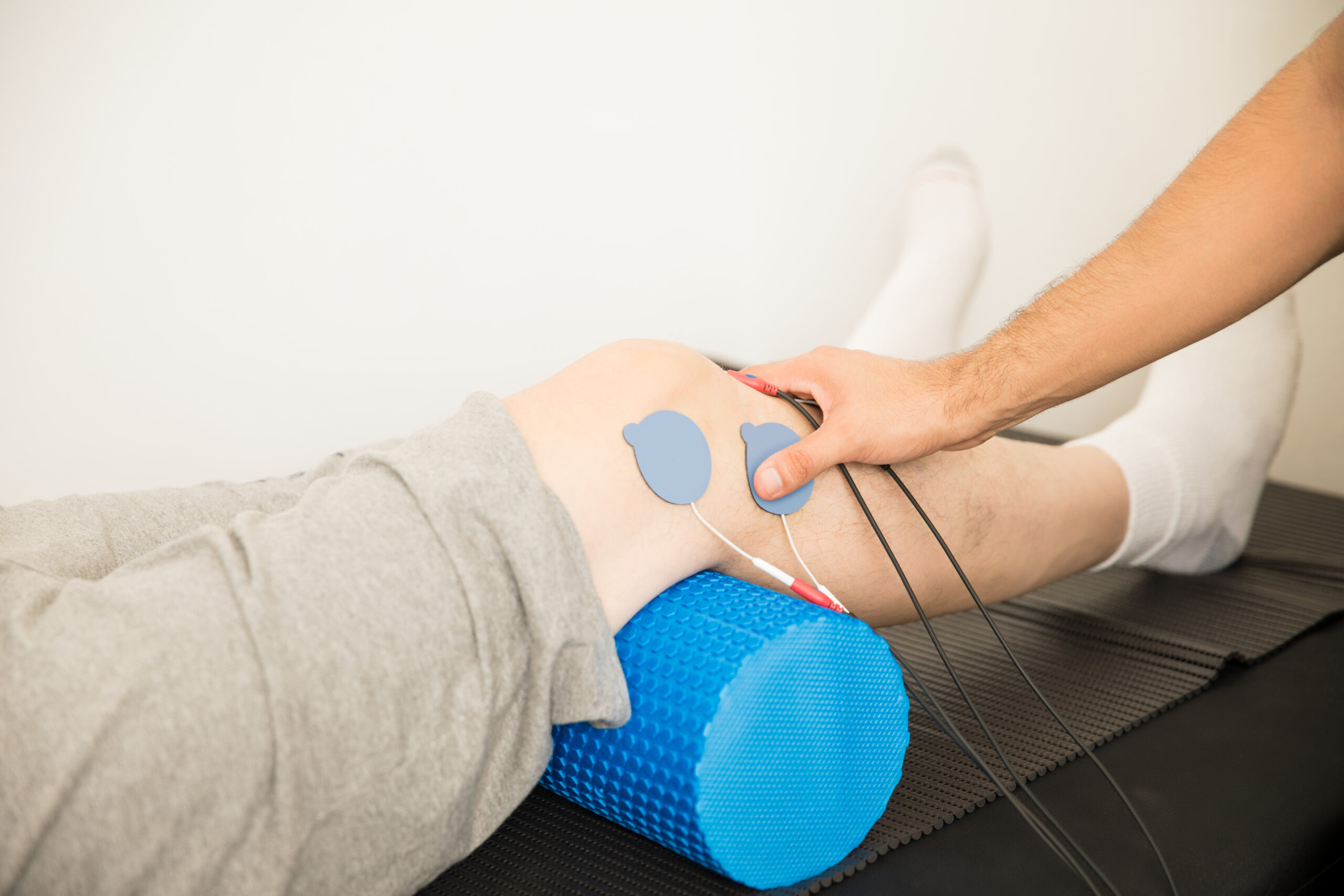
2. Physiotherapy and Targeted Exercise
This is often the single most effective non-surgical intervention for knee pain, and it’s frequently underused. A structured physiotherapy program does more than stretch tight muscles — it rebuilds strength in the quadriceps, hamstrings, and hip stabilizers so the knee joint carries less of the mechanical load on its own. For patients with early arthritis, consistent physiotherapy has been shown to meaningfully reduce pain and improve function, sometimes as effectively as more invasive options in the short-to-medium term.
3. Weight Management
Every extra kilogram of body weight translates into several times that load on the knee joint during walking, and even more during stair climbing. For patients carrying excess weight, even a modest reduction can produce a noticeable drop in knee pain, simply because the joint is being asked to do less work with each step.
4. Medication, Used Appropriately
Anti-inflammatory medication and pain relief have a role, particularly during flare-ups, but they’re best used as a bridge to support physiotherapy and activity — not as a long-term standalone solution. An orthopedic doctor can guide safe, appropriate use rather than leaving patients to self-medicate indefinitely.
5. Bracing and Activity Modification
Knee braces or supports can offload pressure from a specific part of the joint, which is particularly useful for patients with wear concentrated on one side of the knee. Simple activity changes — adjusting how a sport is played, modifying footwear, or changing how stairs are approached — can also reduce strain considerably.
6. Injections, When Indicated
For some patients, corticosteroid injections or other joint injections can provide meaningful short-term relief, giving the body a window to respond better to physiotherapy. These are typically used selectively, as part of a broader plan, rather than as a repeated substitute for addressing the underlying cause.
What Non-Surgical Treatment Can Realistically Achieve
It’s worth being upfront here: non-surgical treatment isn’t a cure for structural damage that has already progressed significantly. What it can do, for the right patient, is:
- Reduce day-to-day pain to a manageable level
- Improve walking distance and stair tolerance
- Delay the need for surgery, sometimes by years
- Improve strength and stability enough to prevent further injury
- Help patients better understand their condition and make informed decisions about the future
For patients with mild to moderate arthritis or overuse injuries, this can mean years of good function without an operation. For patients with more advanced joint damage, non-surgical treatment can still meaningfully improve quality of life even if surgery eventually becomes necessary — it’s rarely wasted effort.
Signs That It May Be Time to See an Orthopedic Specialist
Self-management has its limits, and knowing when to seek a professional evaluation is just as important as knowing what home-based care can do. It’s worth booking a consultation with an orthopedic doctor if you notice:
- Pain that persists beyond a few weeks despite rest and basic care
- Swelling that keeps recurring or doesn’t settle
- A sensation of the knee “giving way” or feeling unstable
- Locking or catching sensations, which can suggest a meniscus or cartilage issue
- Pain that wakes you up at night or worsens even with reduced activity
- Visible deformity or significant loss of range of motion
- A recent injury involving a twist, fall, or direct impact to the knee
None of these automatically mean surgery is needed. What they do mean is that the cause needs proper assessment rather than continued guesswork, since some of these signs point to conditions — like a significant ligament tear or advanced cartilage loss — where delaying evaluation can reduce the range of treatment options available later.
When Surgery Genuinely Becomes the Right Conversation
There’s an important distinction between “surgery is an option” and “surgery is the right recommendation for you specifically.” A responsible orthopedic surgeon will typically only bring up surgical treatment when:
- Non-surgical treatment has been tried consistently for a reasonable period without adequate relief
- Imaging shows significant structural damage — advanced arthritis, a large or unstable meniscus tear, or a torn ligament affecting stability
- Pain is significantly limiting daily function, sleep, or independence despite conservative care
- There’s a risk of further joint damage from ongoing instability, such as with certain ACL injuries in active individuals
Even at this stage, the decision should involve a clear conversation about what surgery can and cannot achieve, realistic recovery expectations, and whether the patient’s overall health supports a good surgical outcome. Surgery is a tool, not a default — it should be recommended because it’s the right next step for that specific joint and that specific patient, not because conservative options weren’t given a fair try.
Why This Matters More in an Active City Like Bangalore
West Bangalore’s neighborhoods — Rajajinagar, Malleshwaram, Basaveshwaranagar, Vijayanagar, and Yeshwanthpur — have a genuinely active population. Morning walkers, weekend footballers, gym-goers, and an aging population managing early arthritis all have very different knee pain profiles, but they share one thing in common: catching a problem early, and matching treatment to its actual severity, leads to far better long-term outcomes than either ignoring the pain or assuming surgery is the only path forward.
The Orthocare Rajajinagar Approach
At Orthocare Bangalore, Dr. Chethan Nagaraj’s approach to knee pain starts with a proper diagnostic evaluation, not an assumption. Many patients who come in expecting to discuss surgery leave with a structured non-surgical plan instead — physiotherapy, activity modification, and, where appropriate, medication or injections — with clear milestones to track whether the plan is working. For patients where imaging and clinical findings point toward more significant damage, the conversation shifts honestly toward surgical options such as arthroscopy, ligament reconstruction, or joint replacement, along with a realistic picture of recovery and outcomes.
The goal throughout is the same one that guides every consultation at the clinic: treat the patient in front of you, not a generic protocol, and give them the information they need to make a confident, well-informed decision about their own knee.
Frequently Asked Questions
- Can knee pain go away without any treatment? Mild, short-term knee pain from minor overuse can sometimes settle with rest. Persistent or recurring pain, however, usually needs a proper evaluation to identify the cause and prevent it from worsening.
- Does physiotherapy really help with knee arthritis? Yes — for many patients with early to moderate arthritis, structured physiotherapy focused on strengthening the muscles around the knee can significantly reduce pain and improve function, sometimes delaying or avoiding the need for surgery altogether.
- Is walking good or bad for knee pain? For most non-surgical knee conditions, moderate, well-paced walking is generally beneficial and helps maintain joint mobility and muscle strength. An orthopedic doctor can advise on the right activity level for your specific condition.
- How long should I try non-surgical treatment before considering surgery? This varies by condition and severity, but it’s typically assessed over weeks to a few months of consistent, structured treatment — not indefinitely, and not as a one-time attempt. A specialist can help set realistic checkpoints.
- Are knee injections a substitute for surgery? Injections can provide valuable short-term relief and support a broader treatment plan, but they aren’t a permanent substitute for surgery in cases of significant structural damage. Their role is best decided case by case.
- When should I stop trying non-surgical options and see a specialist? If pain persists beyond a few weeks, keeps recurring, disrupts sleep, or is accompanied by swelling, instability, or a locking sensation, it’s time for a proper orthopedic evaluation rather than continued self-management.
Final Thought
Knee pain doesn’t have to mean an inevitable trip to the operating room, and it also shouldn’t mean years of quietly working around a problem that’s getting worse. The right first step is an honest evaluation — one that considers non-surgical treatment seriously and only recommends surgery when it’s genuinely the best option for your knee.
If you’re dealing with ongoing knee pain and want a clear, honest assessment of your options, schedule a consultation with Dr. Chethan Nagaraj at Orthocare Rajajinagar to find out what treatment path makes the most sense for you.